
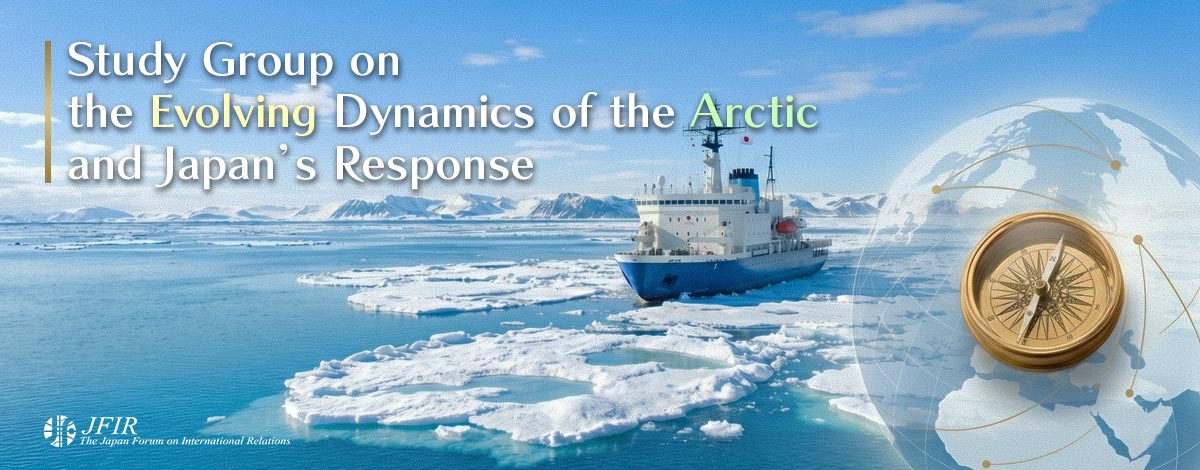
In recent years, against the backdrop of the rapid progression of climate change and the intensification of overlapping geopolitical competition, the Arctic is moving beyond its traditional position as a domain of environmental and scientific concern and is transforming into a new geopolitical space where the reconfiguration of the international order and strategic interests intersect. Warming in the Arctic is advancing several times faster than the global average. While the decline in sea ice is opening up the possibility of new shipping routes and resource development, it is also having serious impacts on ecosystems and Indigenous communities.
In addition to these environmental changes, Russia’s invasion of Ukraine in 2022 has accelerated a series of major shifts, including the accession of Nordic countries to NATO, Russia’s military repositioning, and China’s expanding institutional engagement. As a result, the international environment surrounding the Arctic has reached a major turning point. The Arctic Council, which had traditionally functioned on the basis of cooperation and scientific collaboration, has been forced to operate under significant constraints, and Arctic governance is now in the process of forming a new order that contains elements of both competition and division.
Amid these changes, Japan’s engagement with the Arctic is also entering a new phase. Japan has thus far established itself as a trusted partner in the Arctic through scientific contributions and international cooperation grounded in observation and research. Today, however, as shipping routes, resources, security, and institution-building become increasingly intertwined, Japan is called upon to move beyond a conventional framework centered primarily on scientific cooperation and to pursue strategic engagement that integrates diplomacy, security, and economic policy. In particular, as Japan marks ten years since the announcement of its Arctic policy, with the completion of ArCS II and the forthcoming launch of a new Arctic research vessel, there is an urgent need to take stock of Japan’s Arctic policy to date and to envision the next stage of its engagement.
Against this backdrop, this project will comprehensively analyze the structural transformation of the international order surrounding the Arctic from multiple perspectives, including geopolitics, security, resources and energy, and international institutions. In doing so, it will examine the Arctic not merely as a regional issue, but as part of a broader order that is closely connected to the Asia-Pacific, and will assess the forms of engagement pursued by a diverse range of actors, including non-Arctic states. The project will also present policy options through which Japan can play a constructive role in Arctic governance, grounded in scientific knowledge, the rule of law, and multilateral cooperation.
To achieve these objectives, this study group will systematically advance research and analysis with the participation of experts who bring both interdisciplinary and practical perspectives.
Members
- Project Leader

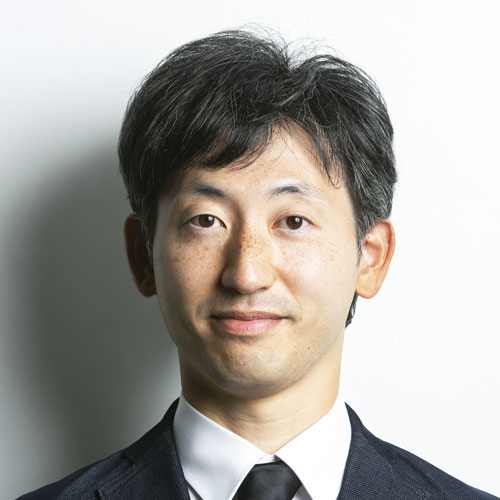
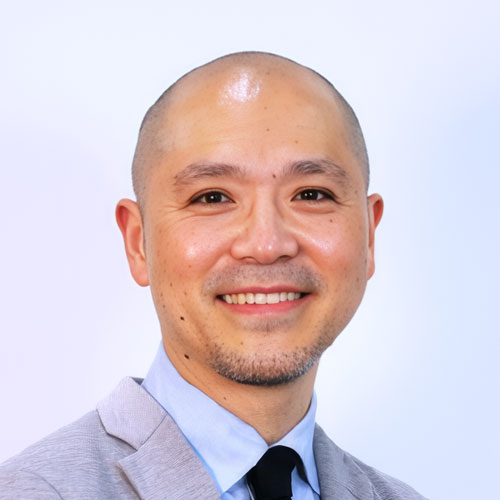
Minori TAKAHASHI
Associate Professor, Hokkai-Gakuen University- Deputy Project Leader
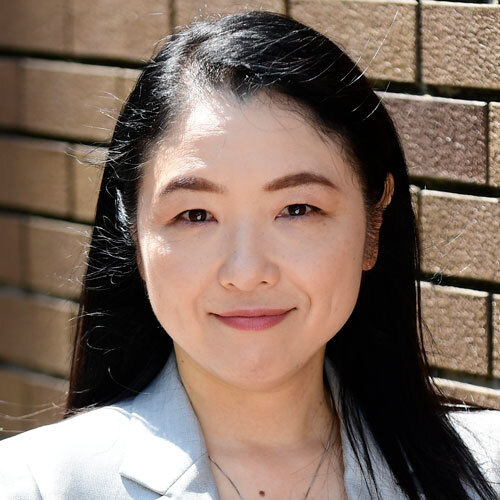
Yoko HIROSE
Professor, Keio University / Distinguished Research Fellow, JFIR

- Program Director

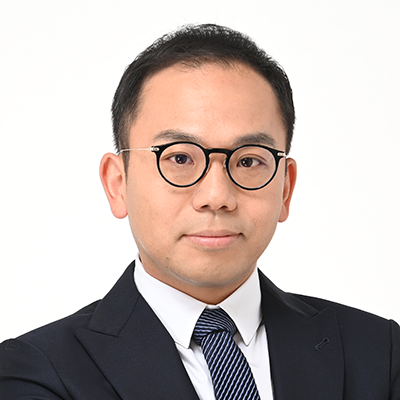
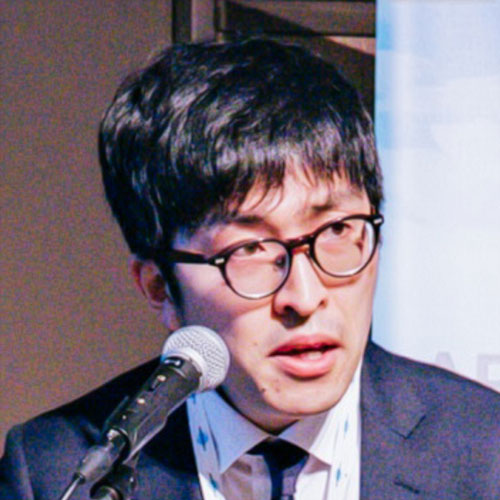
Yohei TAKAHATA
Executive Director & Distinguished Research Fellow, JFIR / Senior Researcher, Keio Research Institute at SFC
- Members
Takahiro ISHIHARA
Adjunct Lecturer, JMSDF Command and Staff CollegeOsamu INAGAKI
Researcher, Polar Cooperation Research Centre, Kobe University
Juha SAUNAVAARA
Associate Professor, Arctic Research Center, Hokkaido UniversityDaisuke HARADA
Director General, Department for Research & Analysis, Energy Business Unit, JOGMEC / Senior Coordinator, Planning and Coordination DepartmentEmi MIFUNE
Professor, Komazawa University / Distinguished Research Fellow, JFIR

Topics
【FY 2026】

July 31, 2026
Yomiuri Shimbun Interviews Yohei Takahata on His Concept of a “Shared-Spheres” International Order
Masahiko Takekoshi, Director of the Editorial Board Office at The Yomiuri Shimbun, conducted an approximately one-hour interview with Yohei Takahata, Distinguished Research Fellow at the Japan Forum on International Relations (JFIR), on his concept of a “shared-spheres” international order.
The discussion explored the Arctic as a leading example of transformations in the international order, Takahata’s concept of a world in which confrontation and cooperation coexist rather than being mutually exclusive, and the implications of this emerging order for Japan’s Arctic policy and broader diplomatic strategy.
July 21, 2026
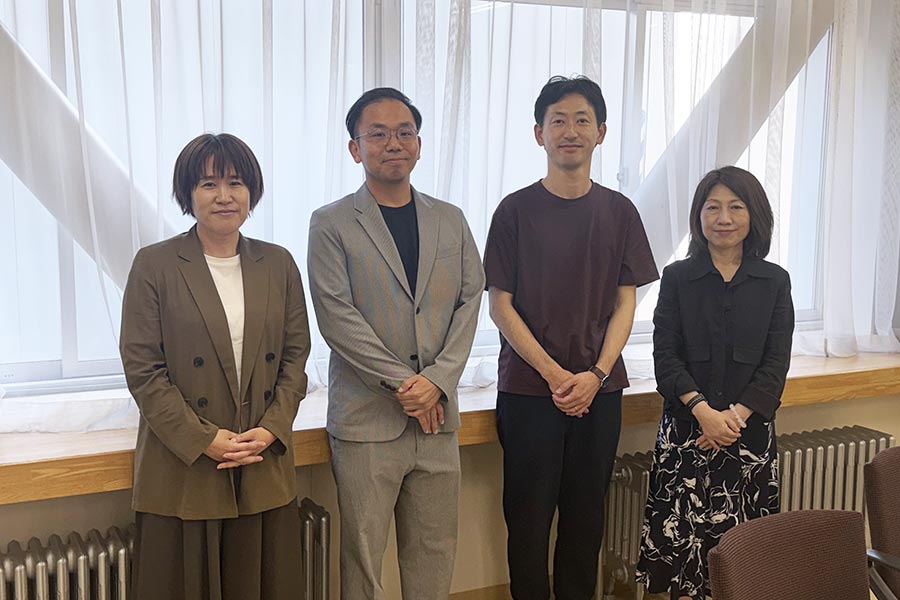
Exchange of Views with Project Leader Minori Takahashi on Future Study Group Activities
FIR President Mayu Watanabe, Program Director Yohei Takahata, and Director of Research Wakako Ito visited Hokkai-Gakuen University and exchanged views with Project Leader Minori Takahashi. Taking into account developments in the international situation surrounding the Arctic and the progress of the study group, they discussed a wide range of issues concerning future research activities and the direction of policy recommendations.
July 21, 2026
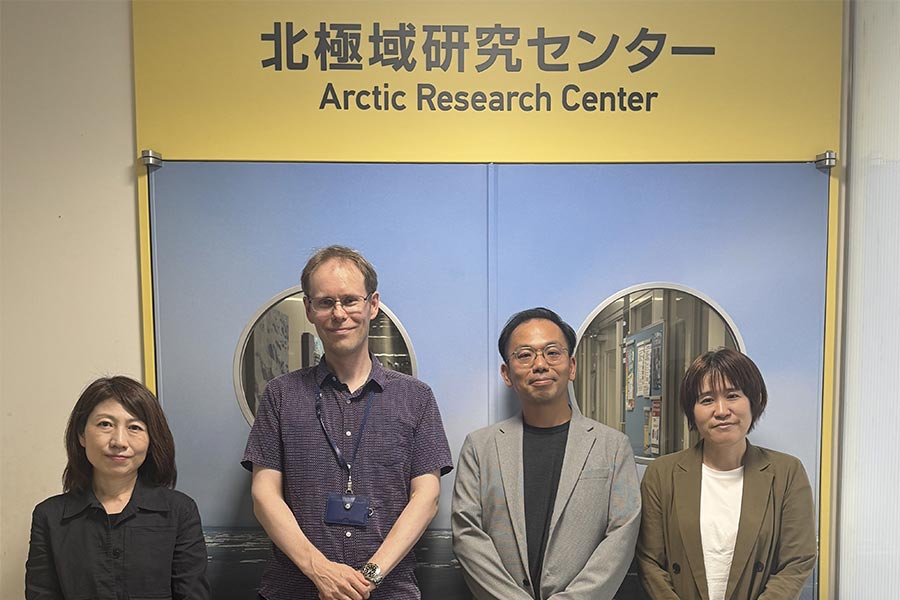
Discussion on Arctic Policy with Associate Professor Juha Saunavaara
JFIR President Mayu Watanabe, Program Director Yohei Takahata, and Director of Research Wakako Ito visited the Arctic Research Center at Hokkaido University and exchanged views with study group member Juha Saunavaara on the security environment surrounding the Arctic, regional cooperation, and international trends in Arctic research.
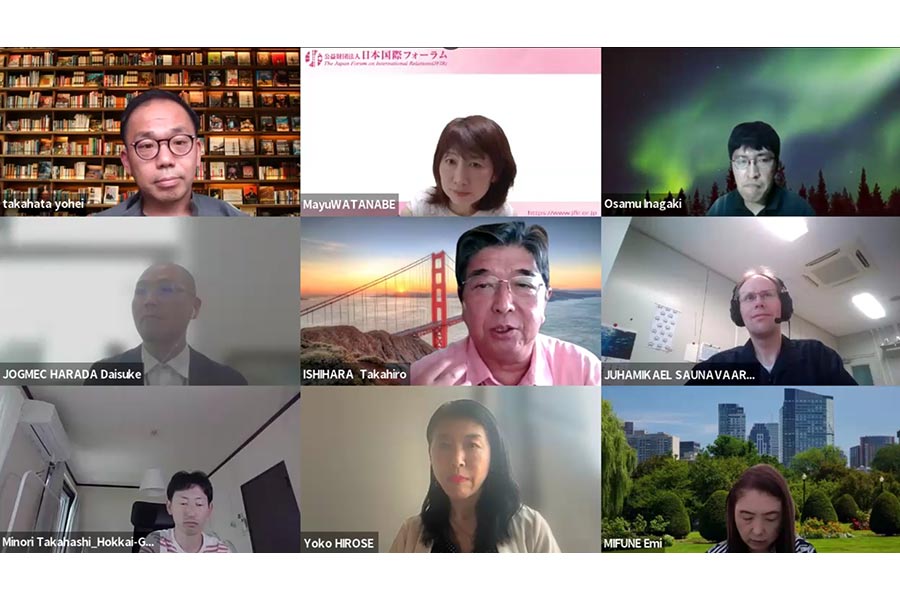
July 16, 2026
3rd Regular Meeting
Study group member Osamu Inagaki presented his research, titled “Characteristics and Development of the International Legal Order in the Arctic,” followed by a free and open exchange of views among the participants.
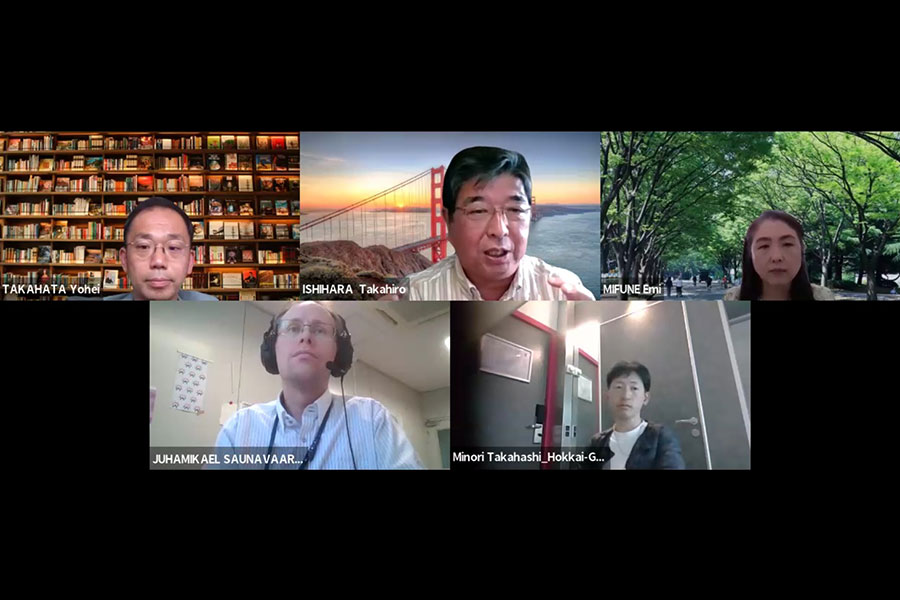
June 16, 2026
2nd Regular Meeting
Study group member Takahiro Ishihara presented his research, titled “Military and Security Developments in the Arctic,” followed by a free and open exchange of views among the participants.
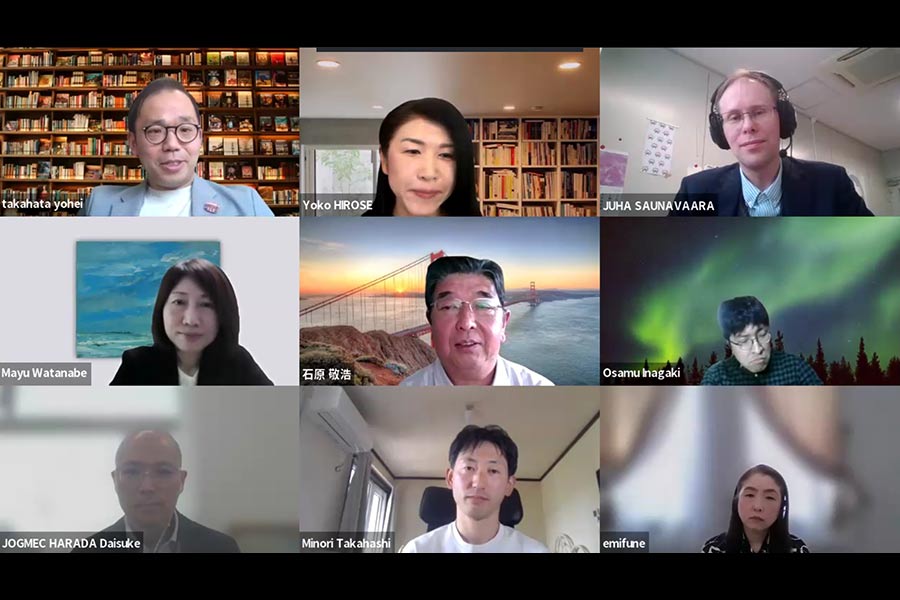
May 11, 2026
1st Regular Meeting
Project Leader Minori Takahashi gave opening remarks for the launch of the study group, followed by an overview by Program Director Yohei Takahata. Participants, including study group members, then exchanged views on the future direction of the group.

May 11, 2026
Preparatory Meeting by Project Leader Minori Takahashi and Program Director Yohei Takahata
Ahead of the launch of the “Study Group on the Evolving Dynamics of the Arctic and Japan’s Response,” Project Leader Minori Takahashi and Program Director Yohei Takahata discussed the future direction and key issues of the research, taking into account changes in the international politics, security, and economic environment surrounding the Arctic.
Commentary
【FY 2026】
NOTE: The views in the various proposals, columns and essays posted on this page are the personal views of the authors and do not represent the views of the Japan Forum on International Relations.