
NEAT Working Group on “Addressing Social Challenges Associated with Population Ageing in East Asia” Held
August 13, 2026
The Japan Forum on International Relations (JFIR)
Secretariat of the Council on East Asian Community (CEAC)
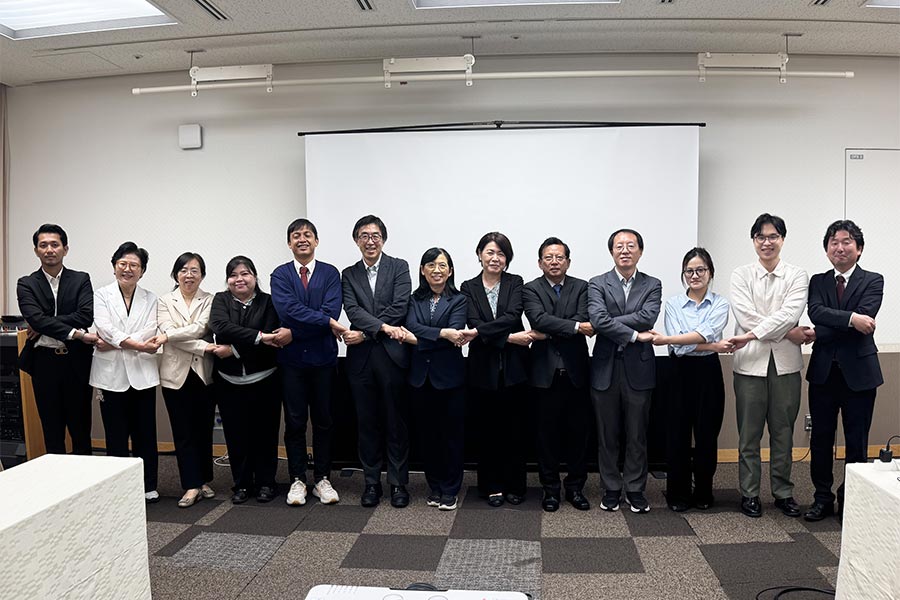
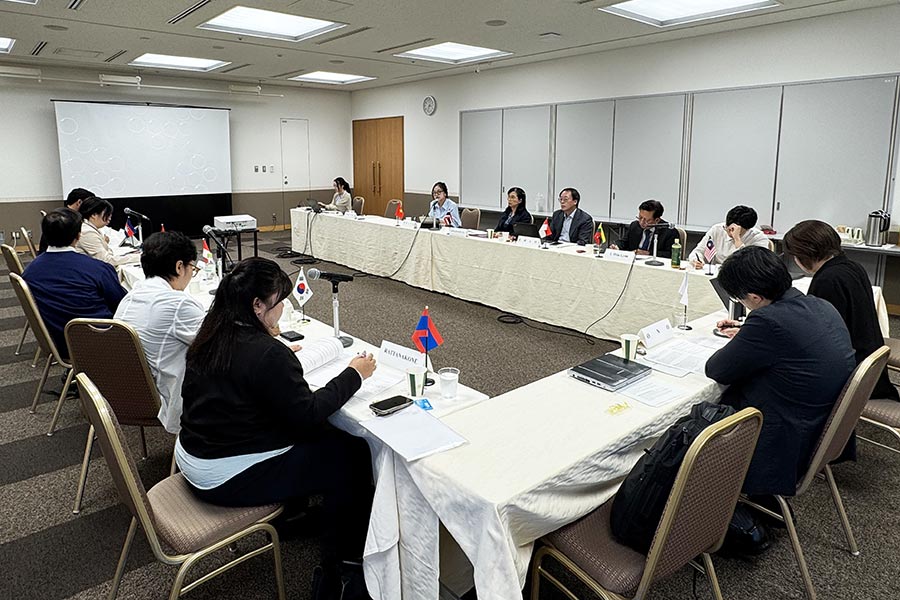
Within the framework of the Network of East Asian Think-tanks (NEAT), which operates under the ASEAN Plus Three (APT) Summit process, NEAT Japan (the Japan Forum on International Relations) hosted a Working Group (WG) entitled “Addressing Social Challenges Associated with Population Ageing in East Asia” on August 2, 2026, bringing together representatives from ASEAN Plus Three countries.
- 1. Date and Time : August 2, 2026, 13:30–17:00
- 2. Venue : Toshi Center Hotel, Tokyo
- 3. Participants : A total of 14 participants, including members from the host country, Japan, and representatives from ASEAN Plus Three countries
- 4. Program : – PDF –
- 5. Biographies of Participants :– PDF –
- 6. Overview
(1) Background of the Working Group
Population ageing is advancing rapidly in Japan and many other East Asian countries, creating common social challenges, including the sustainability of social security systems, a declining working-age population, growing demand for healthcare and long-term care, and the social participation of older persons.
At the same time, the pace and stage of population ageing, as well as social and economic conditions, vary across countries. It is therefore important to share national experiences and policy knowledge, and to explore responses suited to the circumstances of each country as well as possibilities for regional cooperation. Against this background, the NEAT Japan Working Group for 2026 addressed the social challenges associated with population ageing.
(2) Discussions at the Working Group
Based on the above considerations, the Working Group held discussions in three sessions: “Strengthening Existing Regional Frameworks and Exploring Linkages for Cooperation on Population Ageing,” “Redesigning Sustainable Social Security Systems, Economies, and Labor in Response to Population Ageing,” and “Reorganizing Local Communities and Utilizing Innovation.” In each session, presentations by representatives from participating countries were followed by general discussion.
Throughout the discussions, participants emphasized the importance of sharing national experiences and policy practices while recognizing differences among East Asian countries in the stages of population ageing and their respective social and economic circumstances, and of applying such knowledge in ways appropriate to each country’s context.
A wide range of issues were discussed, including sustainable social security systems; support for older persons in local communities, including healthcare and long-term care; responses to changes in employment and labour markets; the social participation of older persons; and the use of digital and other technologies.
Participants also discussed the importance of advancing regional cooperation through the sharing of knowledge and good practices, capacity building, and other efforts, while making use of existing ASEAN Plus Three frameworks, given that population ageing represents an important common challenge for countries across the region.
Following the meeting, the Working Group’s Final Report (Policy Recommendations) was finalized through email-based consultations. The report was submitted to the 42nd NEAT Country Coordinators Meeting (CCM) held in Seoul on August 12, and will be submitted to the ASEAN Plus Three Senior Officials’ Meeting (SOM) and the ASEAN Plus Three Summit as an annex to the NEAT Memorandum finalized at the CCM.
(3) Final Report of the Working Group
Final Report of NEAT Working Group on Addressing Social Challenges Associated with Population Ageing in East Asia
END